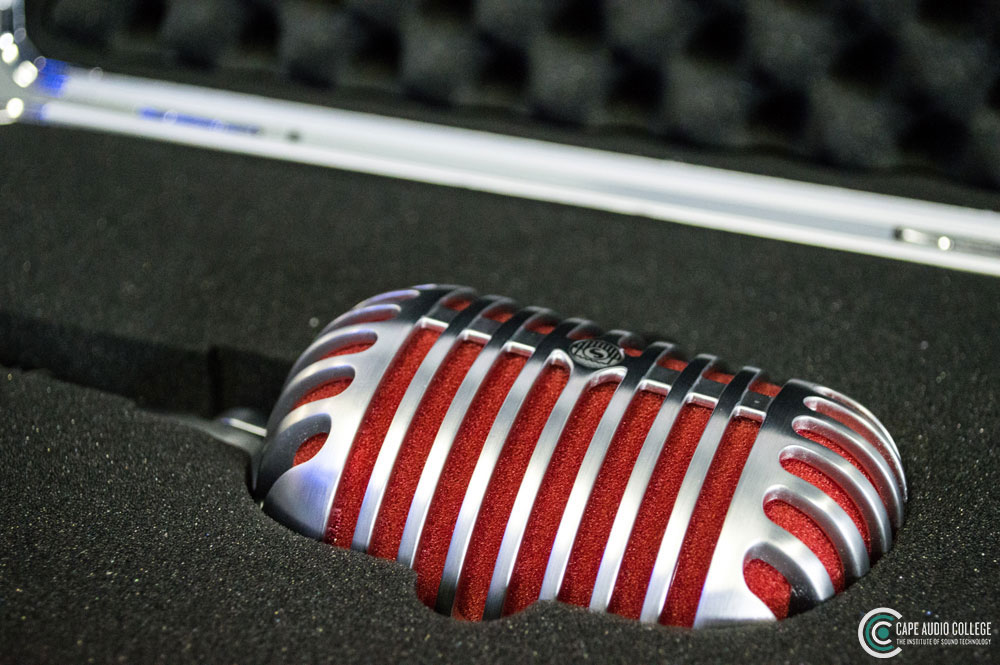
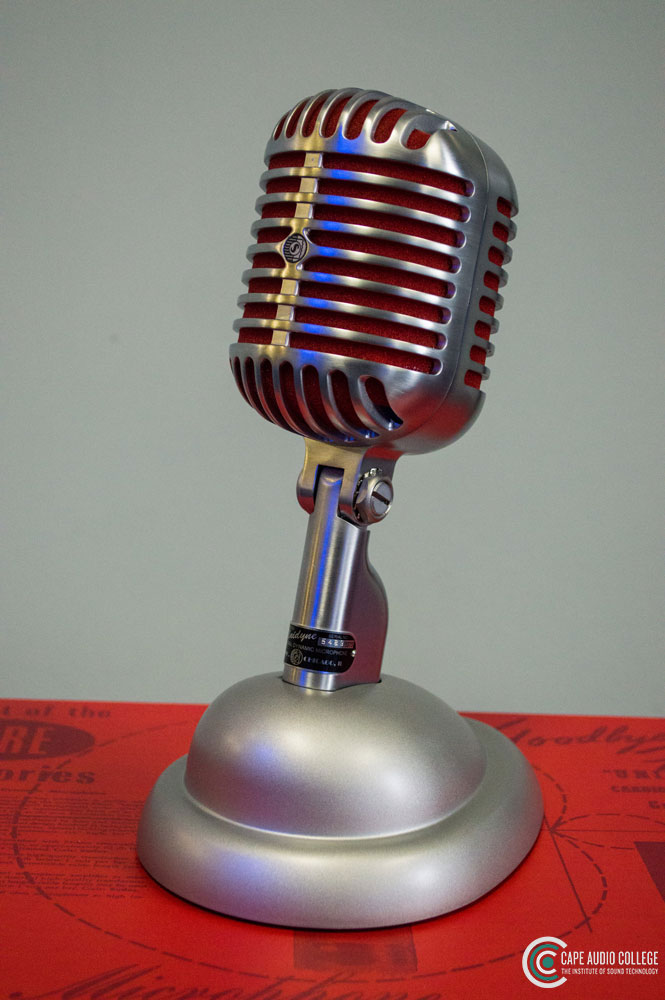
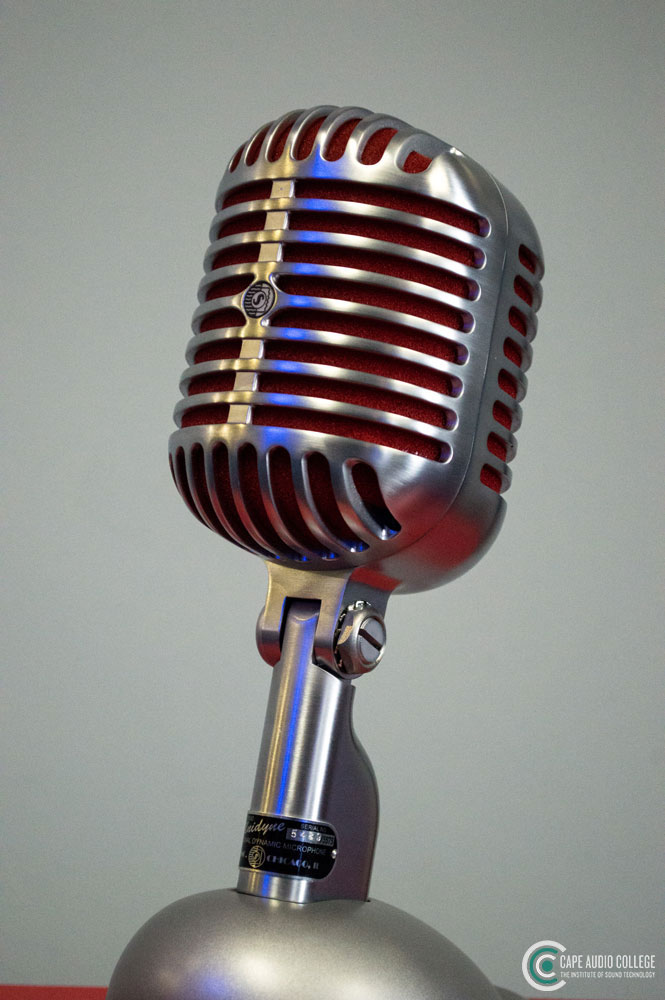
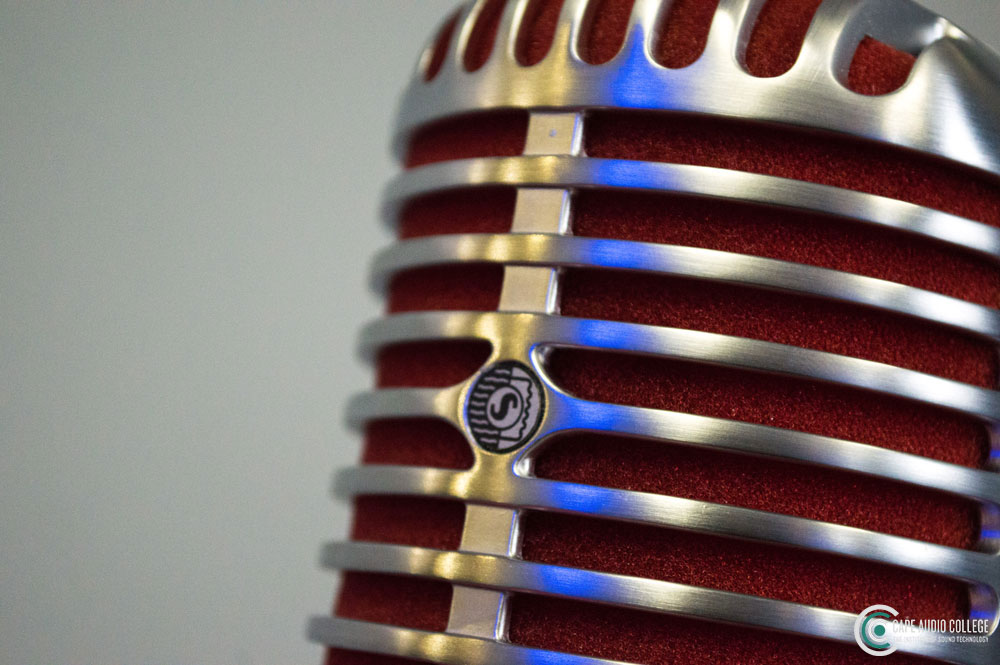
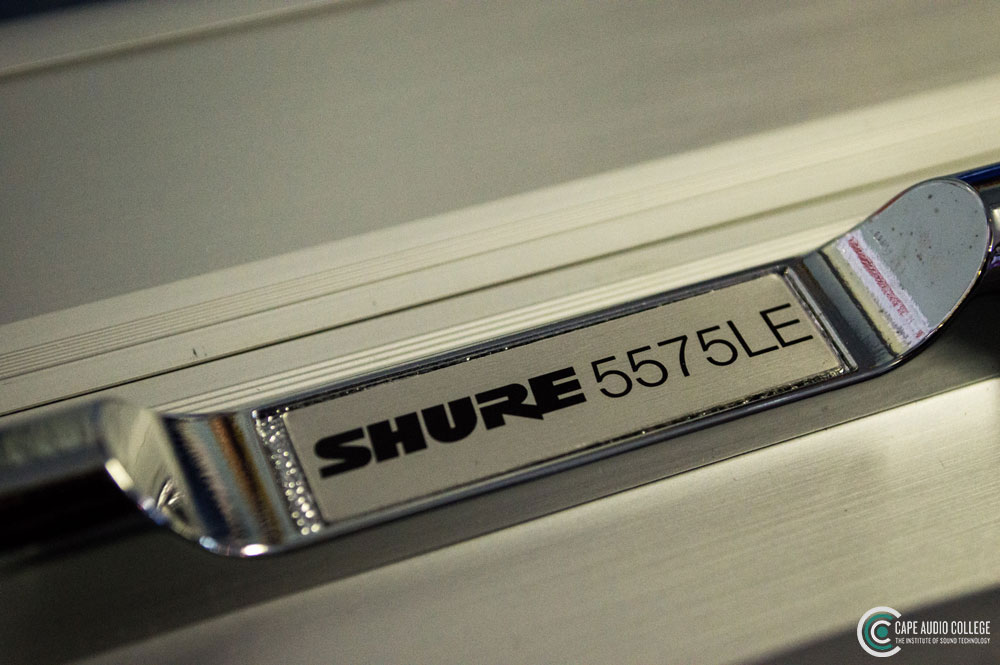
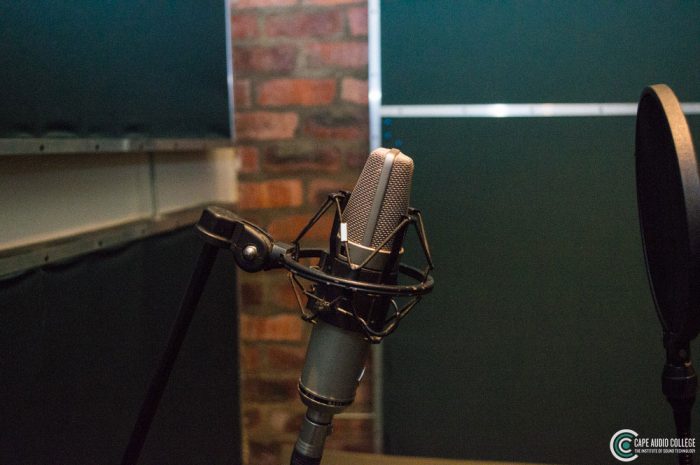
Shure 75th Anniversary Model 5575LE
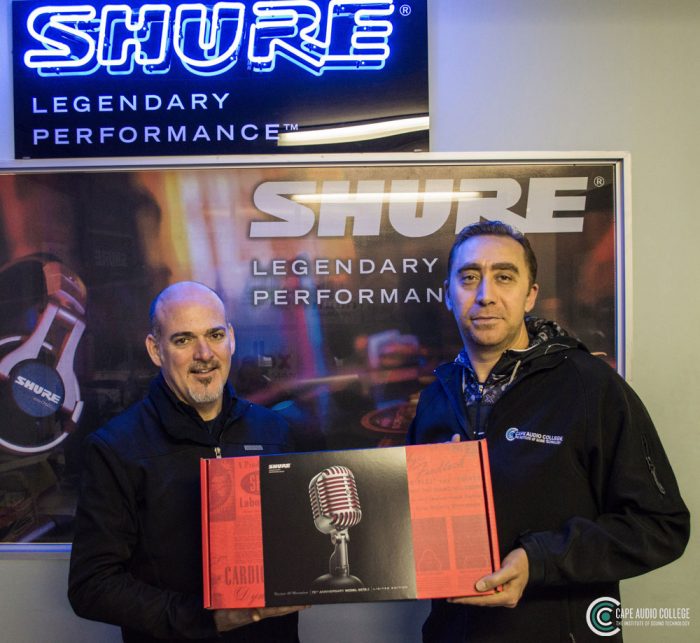
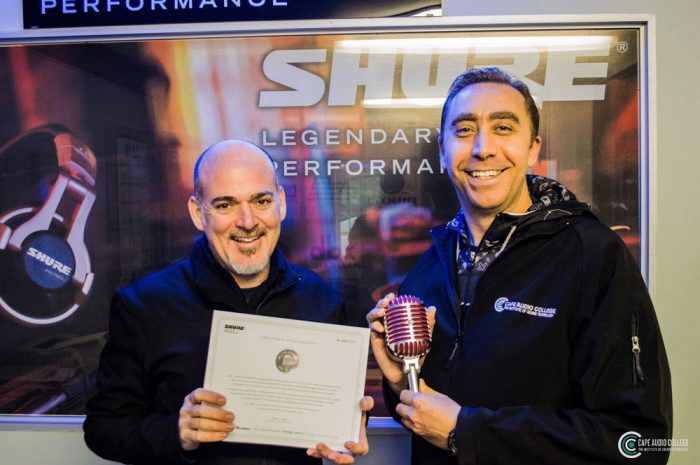
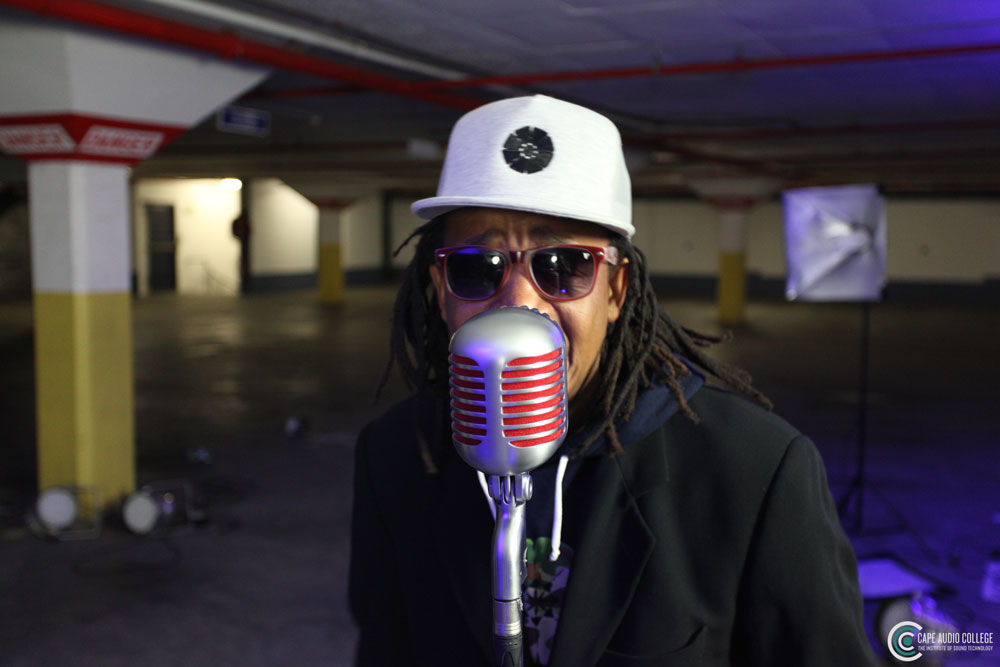
We were super excited when the guys at Wild and Marr got hold of us and told us that they had a very special Shure mic for us. Little did we know that it would be a limited edition 75th Anniversary Model 55 that would be making its way to Cape Audio College.
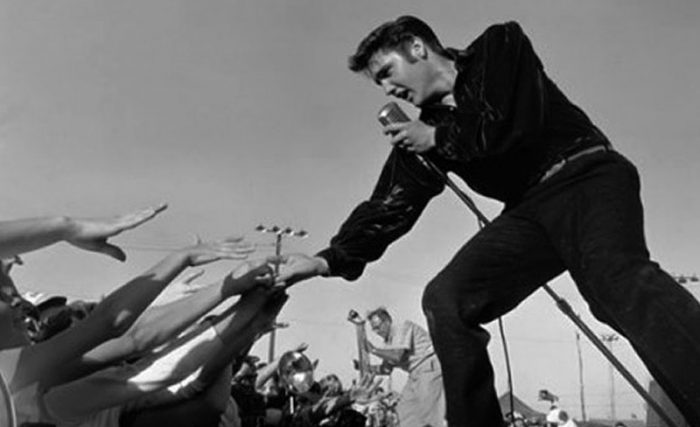
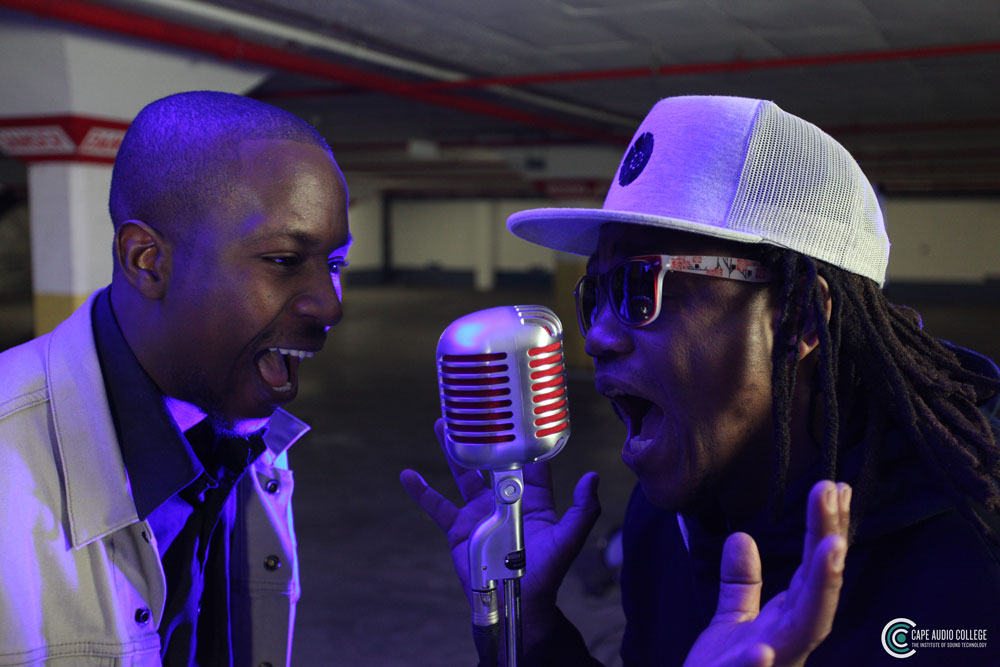
The Shure Unidyne Model 55 is one of the most recognisable microphones ever produced and is very often called the “Elvis Mic”. But Elvis was just one of many famous people who have used this icon mic, it has been photographed with the likes of Frank Sinatra, John F. Kennedy and Martin Luther King, Jr. So there is no doubt about its iconic status.
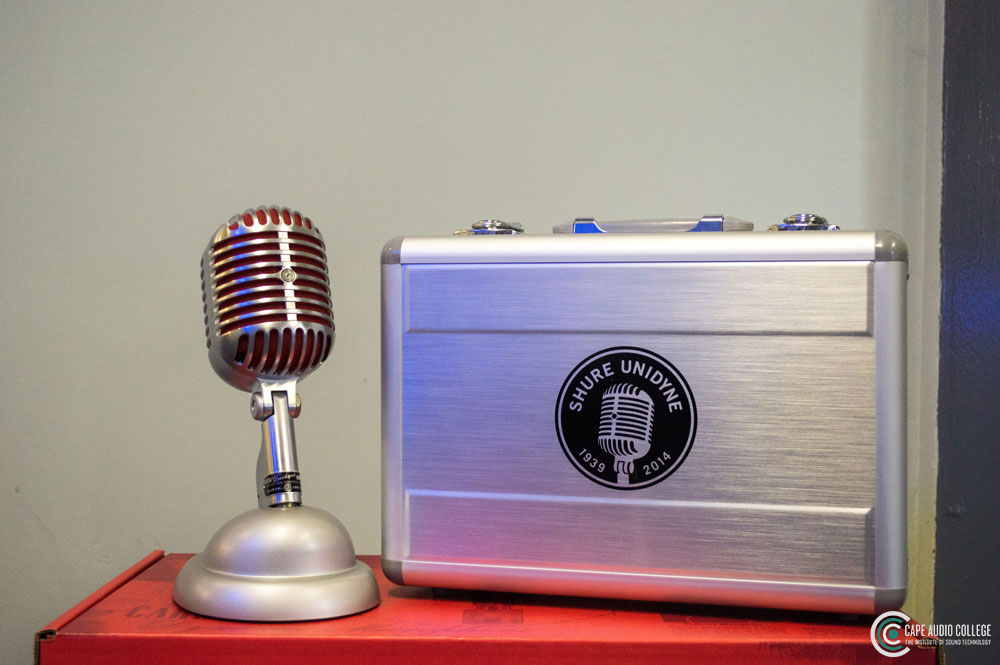
First produced in 1939, Shure decided to mark the Model 55’s 75th anniversary with a stylish collector’s edition microphone, the 5575LE (Specs). A total of 5575 units were produced and features a larger version of their Model 55, an aluminium flight case, a vintage style desk stand (S36A), a certificate of authenticity and two photo prints (includes a full-colour print of the 5575LE and a black-and-white print of the vintage 55 Unidyne).
Honoring a legacy that spans decades, the 5575LE Unidyne Limited Edition 75th Anniversary Vocal Microphone is a modern version of the beloved classic Unidyne microphone. Shure has gone back to the original design to produce the 5575LE, the modern version of the most recognized microphone in the world, available in a numbered limited edition of 5575. Featuring Unidyne III cardioid cartridge technology for superior sound performance and the classic large grille outer shell, the 5575LE is of extraordinary aesthetic and performance value for collectors and performers alike.
Thank you to the guys from Wild and Marr for organising this beautiful microphone for us. Then a huge thank you to Shure for their continuous support over the last 20 years and for this incredible gift. Our 5575LE will be making its way into a display cabinet for safe keeping.
For those who would like to read up more on the 5575LE and the Model 55’s rich history, then we recommend having a look at Shure’s Brochure.
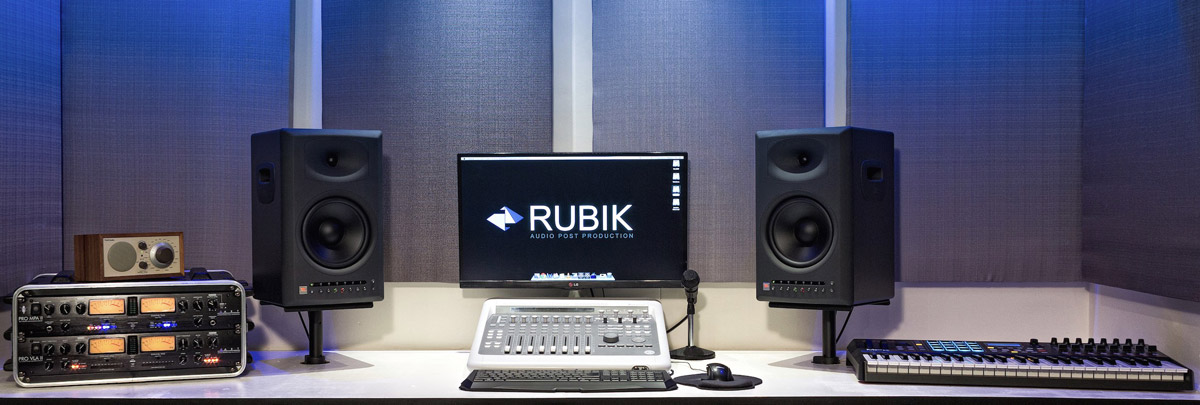
Graduate Spotlight: Calvin Davey and Oliver Stutz from Rubik Audio Post Production
We pride ourselves in knowing that students who have come through these doors are making a name for themselves in the sound industry locally and internationally. We decided to catch up with two of our past graduates Calvin Davey and Oliver Stutz to see how their new start-up Rubik is doing.
Cape Audio:
When and what did you guys study at Cape Audio College?
Calvin:
I finished in 2013 and was the last of the two year diplomas in Sound Technology and Production.
Oliver:
I finished last year (2014) and did the three year diploma in Sound Technology and Production.
Cape Audio:
With so many opportunities for the youth of today, why did you two choose to study sound?
Calvin:
Well I’m from Durban and I was quite into music beforehand. At that stage I was playing the drums and my music teacher recommended that I have a look at Cape Audio College. So I did and the rest is history.
Oliver:
I have been into music for ages, I used to produce a bit at home and decided that I wanted to get into the sound industry. So I went to a few different places to check out what they had to offer and landed up choosing Cape Audio after going on a tour of the facilities. Before studying sound, I don’t think either one of us actually though about Post Production at all. I think we both thought we would just go onto working in the music industry.
Cape Audio:
So you guys made a bit of a switch then, how did this partnership come about and did you guys ever think that one day you would be starting a company together?
Calvin:
We actually met during the 48 Hour Film Project, honestly before then we never thought about doing sound for film or for advertising. But after that project we started working with a guy from AFDA and started doing more and more post production work. I don’t think at that stage we really thought about the future too much, yet alone the whole company idea.
Cape Audio:
So Rubik is an interesting name for a company specialising in sound, where did the name come from?
Oliver:
The name actually doesn’t have a deeper meaning, I was just chilling at home on the couch and thought of the name, told Calvin about the name and it stuck.
Calvin:
We quite like the name as it doesn’t say audio in it like some of the other companies in Cape Town, plus it’s different and different is good.
Cape Audio:
So how did you guys go about getting that all important first paid gig?
Calvin:
Our first major job was with Ad Makers, Rae (Rae De Jager) set us up with them and we composed some music for a TVC (Television Commercial) that they had for the new Opel Corsa. After that TVC they came back to us and asked us to work on a radio spot for them and an extension of the original TVC for YouTube.
Oliver:
Since then we’ve done some work for Honeymoon Studios, Toy Kingdom, Footgear and a few others.
Cape Audio:
Still being a start-up at this point, how do you guys see the future for Rubik?
Oliver:
We want to move in the direction of music composition as our main focus, but we will still do the odd post production job that comes our way.
Calvin:
We also want to work on contacts to great sound libraries and at the same time start building up our own library.
Cape Audio:
Any plans on expanding Rubix into a big name brand in the audio industry?
Calvin:
We don’t want to grow too big, we want to get to that stage where we have a few people working for us who can work to our high standards. You know, so that we don’t have to be there all the time, but we know things will be done the way we would do them.
Cape Audio:
Being the young professionals that you guys are, what advice would you give aspiring students who would chose the same direction for their careers?
Calvin:
Well, it’s not easy and we made a few mistakes along the way. We had to learn the hard way that when doing business you can’t be a push over. Luckily none of our bigger clients have given us any issues, as they generally know what they want and give us clear briefs.
Oliver:
You don’t need a fancy studio setup to kick off your career. Just some knowhow, some basic gear and a whole lot of passion.
Cape Audio:
Any last words?
Oliver:
Practice composing music, try new things, go out and record sounds and most importantly have fun.
Graduate Spotlight: Timothy Wright
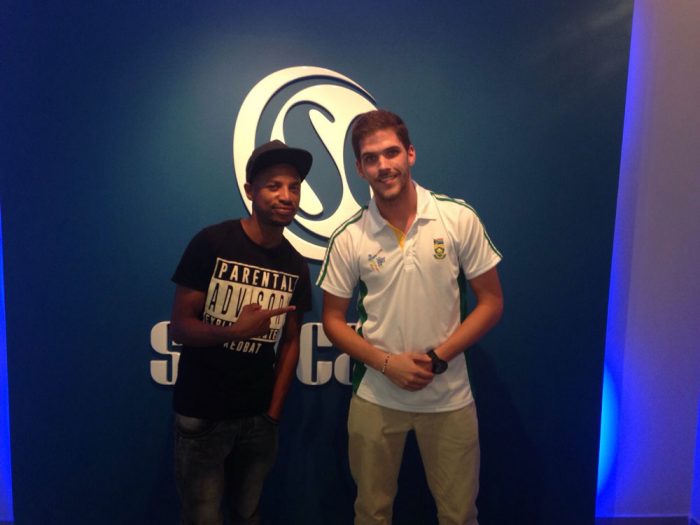
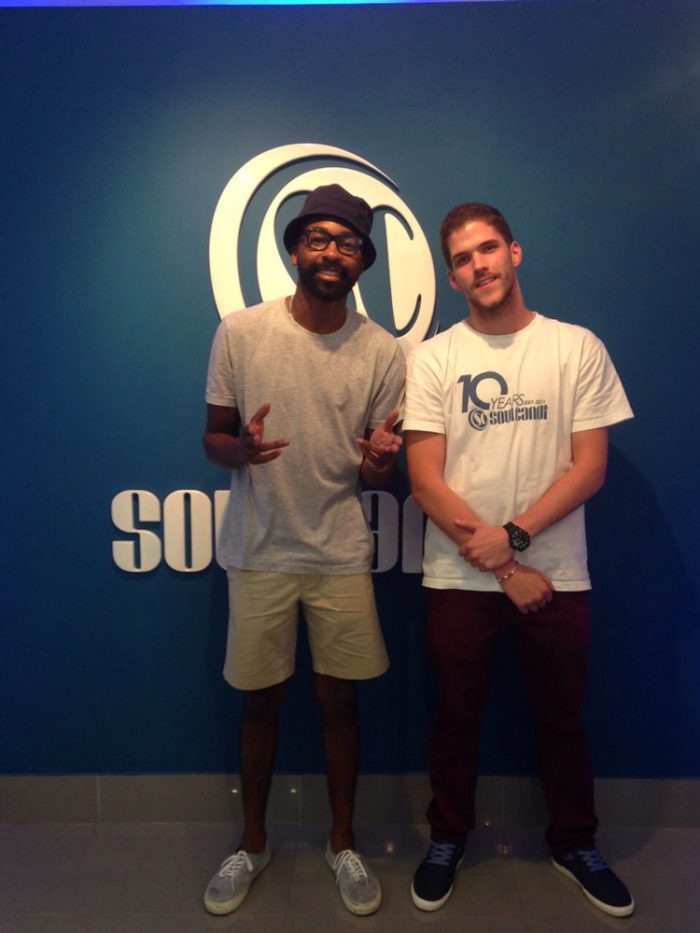
We pride ourselves in knowing that students who have come through these doors are making a name for themselves in the sound industry locally and internationally. This week we decided to catch up with one of our recent graduates Timothy Wright to see how he is doing at Soul Candi Records in Johannesburg.
Cape Audio:
When and what did you study at Cape Audio College?
Tim:
I started studying at Cape Audio College in 2012. I was privileged enough to be a part of the first three year course in Audio Engineering and Sound Production that Cape Audio College had to offer.
Cape Audio:
Who or what was your greatest influence in choosing a career in sound?
Tim:
I am proud to say my Dad. He has always encouraged the idea of me pursuing a career path which I enjoy. I have always had a deep passion for music and everything else that goes with it, so having that backing from him definitely gave me the much needed push of following the direction of my love and passion.
Cape Audio:
When did it become clear to you that music was the right choice for you?
Tim:
I have always been a musically orientated guy. I started playing the piano at the age of 8. From there I then progressed to teach myself how to play the guitar when I was 12. When I was 17 I started DJ’ing at various nightclubs around Jo’burg. Around that age I also started to experiment with a few different DAWs, creating my own beats which I played at my gigs.
I moved down to Cape Town in 2012 with no real plan in mind, just to explore a little. Soon after I moved, I realised that I had to get a job in order to survive. I managed to hustle a job at my uncle’s butchery as a delivery driver delivering meat. But after about six months of doing this I realised that this is really not what I wanted to be doing with my life and that I would be much happier if I choose something musically orientated as my career path for the rest of my life. It was only then that my vision towards making a career around music really began to come into focus.
I assessed my options and came to the realisation that the three year Diploma Course that Cape Audio College had to offer was my best option, as it’s such a well-rounded course. It teaches you about the entire music industry and everybody’s roles in it, as well as teaching the production and recording side of things. I am fortunate enough that I could stop working and start studying at Cape Audio’s next student intake. All through-out the various different adventures I embarked on I had the loving support from my family, which I am so very grateful for!
Cape Audio:
So Tim, you are at Soul Candi Records now, tell us a bit about what an average day consists for you in the industry.
Tim:
Working at a Record Label is really a lot of fun. I have had the opportunity of working in the studios with some of South Africa’s best producers, sitting side by side behind the desk. I have also had the opportunity of being a member of Soul Candi’s Artist & Repertoire (A&R) panel, listening and analysing demo submissions to Soul Candi from producers around the country. This has really taught me a lot as I have seen and learnt about the mind-set behind a Record Label and their vision towards signing new content. I am also involved in the Soul Candi Institute of Music (SCIM) which has been a lot of fun to be able to work with students again, this time from the other side of the stick.
Working with Soul Candi is one aspect of what I am currently involved in. I also coordinate and oversee all of the digital distribution for another company called MESH (Music & Entertainment Solution Hub). MESH distributes music for many different Record Labels in South Africa such as Soul Candi Records, Soulistic Music (Black Coffee), Afrotainment (Tira), Makhado Makhado Agency (Riky Rick), Motif (Reason), Mentalwave (Liquideep), DEMOR, SHOTA to name a few. I am the liaison person between the artist and the sales platform. This has been great as I have met so many wonderful people in the industry, and I am only beginning.
Cape Audio:
We see that you are also involved with EMA, tell us a bit about your involvement in this company and some experiences you have had.
Tim:
I was brought on board the EMA team towards the end of April this year. EMA is South Africa’s leading Media Monitoring Company, monitoring over 60 Radio Stations and 7 TV channels and giving detailed reports on Airplay and Needletime to customers and the Collection Societies of South Africa. Another set of reports that we are really pushing at the moment are our charts which we send out on a weekly basis.
This has been a really cool new adventure for me as I had not put much thought into this side of the music industry. Again, I have met so many great people and gained some valuable connections doing this. Which is something that I have picked up on, it is so important to network in this industry.
Cape Audio:
Those are quite a few heavy hitters in our local music scene, who would you say has been your favourite person to work with so far and why?
Tim:
Working with Riky Rick and planning the release of his début album (Family Values) earlier this year was a lot of fun. It was so rewarding to see that the album has been such a success. I really put lot of time and effort into this release and its release plan, everything from his posts on his various social media platforms, to arranging signing sessions with Musica’s nationwide. It was a great feeling seeing an album I was a part of reach the number 1 spot in the iTunes store. This has definitely been one of the highlights of my career so far.
I also really love working with the guys in my office, all of them. It is such a great working environment and it has been such a blessing to work in an environment where everyone is on the same page and on the same mission, moving forward together.
Cape Audio:
It’s always important for creative to work on their own stuff, are you working on any personal projects at the moment?
Tim:
Oh YES! I have quite a few personal projects on the go at the moment. One of which is a five track Drum & Bass EP which I have been working on for the past six months or so. I am really excited about this finishing up and for people to finally get to hear it.
I have made it my goal to invest (piece by piece) in a solid “Home Studio” setup, one that I can really be proud of. This is coming together really nicely and I am starting to build up a really cool arsenal of gear, which has only added fuel to the creative side of me.
Cape Audio:
You seem to have the right attitude when it comes to the sound industry, looking back, is there anything that you would change, or where you would say “I wish I had learnt that” or “I wish I put more time into this”?
Tim:
I have worked really hard to get myself into the position that I am in. I have put in the required time and effort and reaped the rewards that have followed. I have thought on my feet, and hit the ground running. So I can’t say that “I wish I put more time into something” because, I really have pushed myself to aim high and over-achieve in everything I do.
Something that I have grown towards and something that I see as one of my greatest assets now is not to panic in any form of situation, there is always a solution. I wish that I had learnt this earlier in my life, but I guess that it is a skill acquired with time.
Cape Audio:
So what does the future hold for Tim Wright, where do you see yourself in five years?
Tim:
Good question. As I said earlier, I am only just beginning my journey. I have set both short and long term goals for myself, which I am striving towards. My vision for myself is not restricted to all that I know, I am still young and therefore I still have so much to learn and there are so many different areas of the industry that I yet to explore. Having said this, I definitely want to start something up and run something of my own in the near future.
Cape Audio:
Any last words of advice for students who might choose a similar path after graduating?
Tim:
Surround yourself with people that are wiser, more experienced than yourself.
Under promise and over deliver. NOT the other way round.
And finally, never stop learning.
Radio Production One with Greg Smith
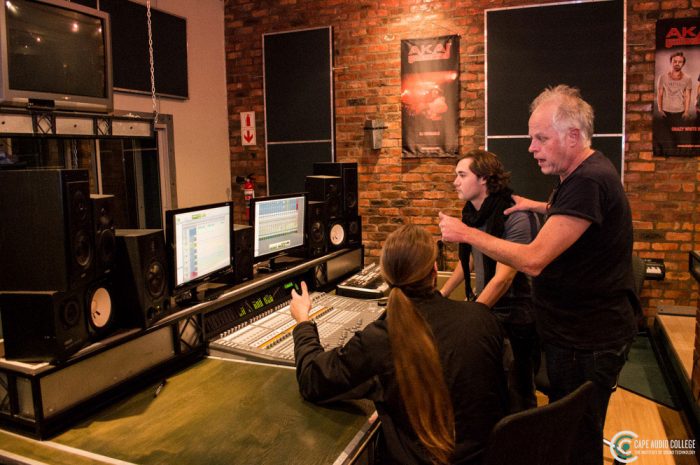
The sound industry offers a vast array of different roles for graduates to choose from and our job at Cape Audio College is to prepare our students for the world that they will encounter when they leave our institution. That is why we bring in industry professionals to share their knowledge and shape the minds of our future industry leaders.
Since 2012, freelance Creative Director and Senior Copywriter Greg Smith has been working alongside our talented staff in running our Radio Production courses. His talents have taken him abroad and he is credited with numerous international awards in the creative and advertising world. He is also an international acclaimed voice over artist and with over 30 years of experience in the industry he is the perfect candidate to teach our eager students about Radio Production.
The brief was set by Rae De Jager (owner of Cape Audio College) as the “client” and the first year students had to work in teams to produce their assigned radio spots under the ever watchful eye of Greg Smith. The radio spots were designed to test the student’s ability to produce high quality radio ads and focused on an array of different technical aspects of radio production. These included; sound effects, music, voice overs and composition.
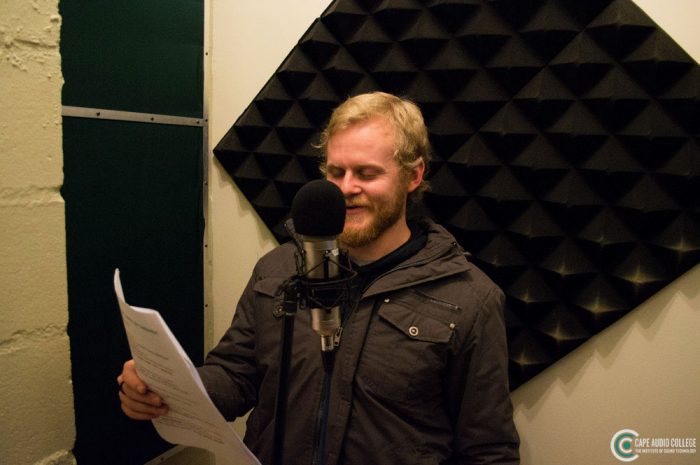
Out of the 83 students who submitted their work, the top students were given the opportunity to record four 60sec spots during the holidays with their mentor Greg Smith. They had to record, mix and master their spots to the same high standards that are required in the industry. These four spots will also be played over the airwaves on our soon to be launched campus radio station.
This is what Greg had to say about the first year students Radio Production One assignment.
Having spent the best part of a week, meticulously listening and assessing each and every piece of work submitted by no less than 83 students, I have to say I was very impressed with the effort most of you made. In fact, I’ve had to constantly remind myself that this was the first time that the ‘Radio Production’ challenge has been given to 1st Year students. (It was previously a module reserved for ‘more experienced’ 2nd year students.)
Please note: I did not lower my usual high standard of judging the quality of the work, which is what makes your efforts all the more laudable. Those who did well – passing with 60% or above – certainly have promising talent and a potential future in audio engineering, and as creative producers. You not only passed in my book, you created work that could possibly be ready for broadcast – with a tweak here and there – and it’s certainly worthy of inclusion in your future showcase.
We would like to thank Greg Smith for his professionalism and for all the hard work that he has put in with the students.